







Search Results for: cupping deductions
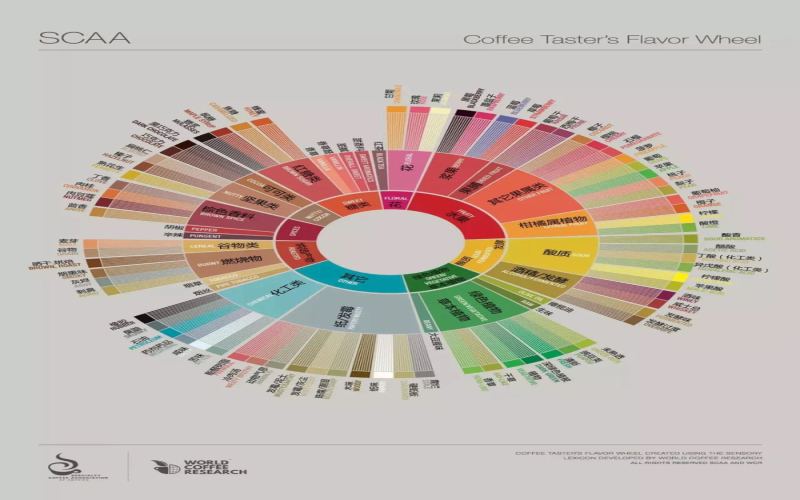
SCAA Coffee Flavor Wheel Full Analysis: Sensory Classification from Fermentation to Roasting and the Defect Deduction Mechanism
The SCAA Coffee Flavor Wheel is a core tool for specialty coffee enthusiasts to identify flavors, yet many people are still unfamiliar with it. This article systematically breaks down the left-right structure of the flavor wheel: the right side, the normal flavor spectrum, reveals the three major aroma sources of fermentation, sugar browning, and dry distillation, while the left side, the negative flavor spectrum, corresponds to the defective flavors produced by improper green bean processing, storage, and roasting. It also explains in detail the deduction rules for different defects in SCAA cupping—serious defects deduct 4 points, minor defects deduct 2 points—and how roasting and organic matter loss, although not deducting defect points, can lower flavor performance. The article includes the latest high-definition Chinese-English flavor wheel images and retains Front Street Coffee's communication channels, making it suitable for readers who want to gain a deeper understanding of coffee sensory evaluation. [more…]
Bawang Chaji's negative review assessment sparks heated discussion: store pressure, employee salary deductions, and official response
Recently, there have been reports that Chagee sets a strict upper limit on the number of negative reviews for its stores: no more than three negative reviews per ten thousand orders, otherwise the pay of all staff will be affected. Although the brand responded that this claim is untrue, discussion around its assessment mechanism continues. From store tier classification to employee performance deductions, from visiting customers to beg for review deletion to paying teams to handle them, a series of practices reflects the tea beverage industry's extreme sensitivity to customer reviews amid rapid expansion. This article will sort out the sequence of events, employee disclosures and the official response, and explore the management logic and controversies behind this assessment method. [more…]
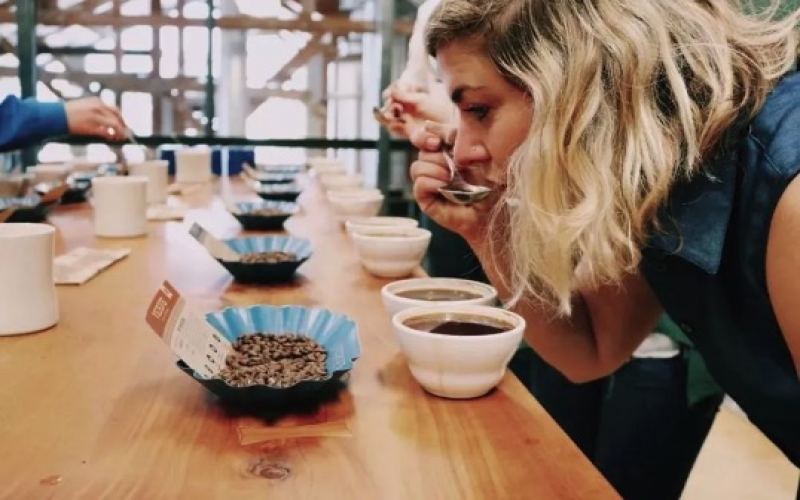
The scoring criteria for coffee cupping. SCA How to evaluate a cup of coffee.
The scoring criteria for coffee cupping. The cupping of coffee beans was initially to ensure whether the quality of the coffee beans that are about to enter the trade is qualified. With the passage of time, after the concept of specialty coffee was b [more…]
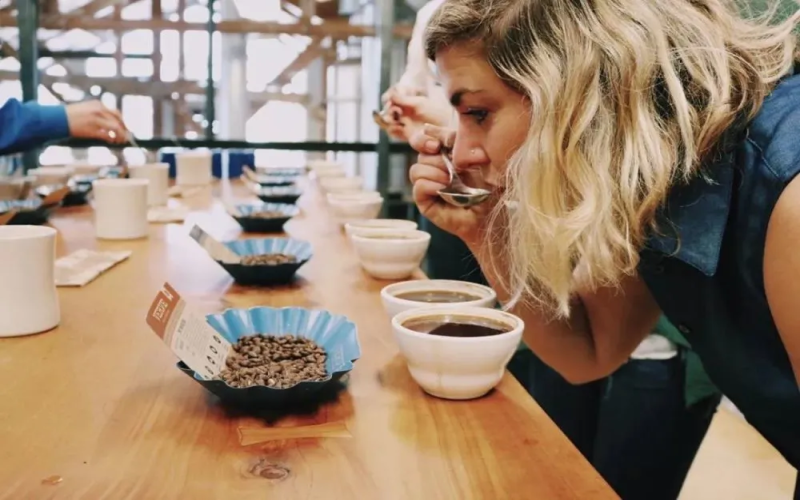
A Complete Guide to the SCAA Cupping Score System: From Eleven Metrics to Specialty Coffee Score Grading
Cupping began as a quality control method used in the trade to verify whether coffee beans met standards. After the rise of the specialty coffee movement, it gradually evolved into a scoring system for evaluating coffee. Anything below 80 points is classified as commercial grade, while reaching 80 or above crosses the threshold into specialty coffee—the higher the score, the more outstanding the quality. At present, the two globally recognized authoritative scoring systems come from the SCAA and the COE. This article focuses on the SCAA cupping scoring system, breaking down one by one its eleven scoring dimensions, the required number of sample cups, the division of score ranges, and how defect deductions are calculated, to help readers fully understand how a cup of coffee is quantified into a score. [more…]
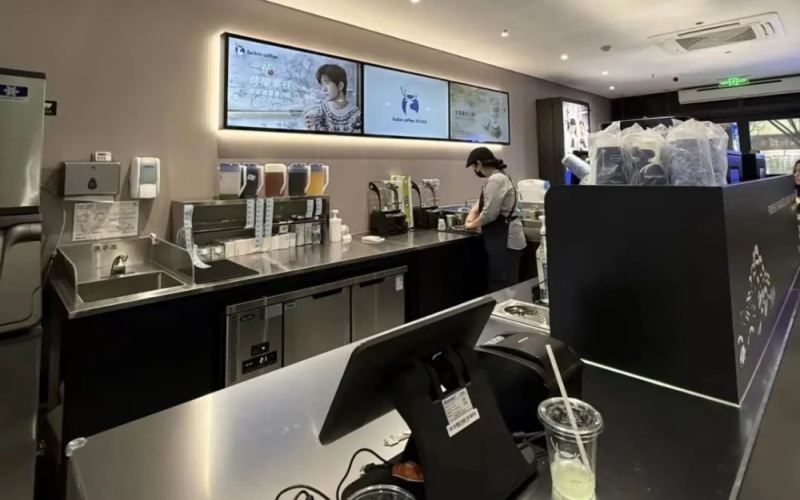
Luckin Coffee's hygiene inspection standards spark heated debate: employees complain about strict details, how difficult is it to clean the work area?
Luckin Coffee is known for its tidy stores, but recently many employees have spoken out on social media, reporting that quality control inspection standards are overly meticulous, with strict deductions even for hard-to-reach corners such as pipes along walls and dust on chandeliers. From rusted screws on paper towel dispensers to loose threads on aprons, the tediousness of the inspection items has sparked complaints from workers, who bluntly say they are expected to "clean the prep area like an operating room." This article will sort out the focal points of the controversy over Luckin's hygiene inspections, explore whether, under existing store decoration conditions, the requirement of spotlessness is realistic, and present employees' complex attitudes toward food hygiene inspections. [more…]
Barista Essentials: A Complete Guide to COE and SCAA Cupping Scoring Standards, from Clean Cup to Overall
If you want to become a professional barista, cupping is a core skill you can't avoid. This article systematically sorts out the scoring standards of the two major cupping systems, COE and SCAA, analyzing the scoring points and deduction rules one by one, from aroma, cleanliness, sweetness, acidity, mouthfeel, flavor, aftertaste to balance. It also explains in detail the tools needed for cupping, the coffee-to-water ratio, and the operating process, and uses [Front Street Golden Mandheling] as an example to compare the cupping performance of three roasting curves. Whether you are a coffee enthusiast or a practitioner, you can learn from it the scientific method of judging coffee quality and understand the true meaning of COE competition level. [more…]
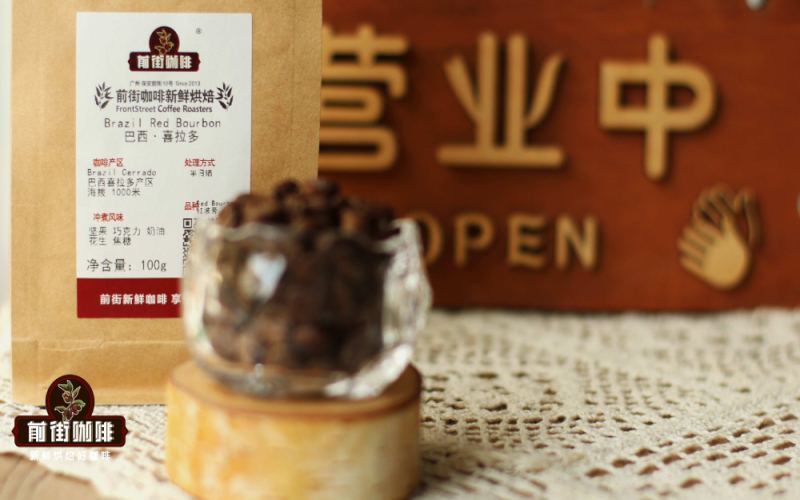
Brazilian Coffee Bean Grading System and Main Producing Regions Explained: Altitude, Varieties, and Front Street Recommendations
As the world's largest coffee producer, Brazil's green bean grading system and regional characteristics have always been a focus of attention for coffee enthusiasts. This article will start with the average cultivation altitude and main producing regions of Brazilian coffee, and provide a detailed interpretation of the local complex grading standards, including defect deduction, screen size specifications, and cup profile classification. At the same time, we will also introduce representative producing regions such as Cerrado and Mogiana, and recommend Front Street Coffee's Brazil Queen Estate Yellow Bourbon coffee beans, taking you through a comprehensive understanding of the unique charm of this quintessential neutral coffee-producing country. [more…]
A Comprehensive Analysis of Brazil's Green Coffee Grading System: The Specialty Journey from Origin Distribution to Cupping Standards
Brazil, as the world's largest coffee producer, supplies about 45% of the world's green coffee beans, and its production fluctuations directly affect international coffee price trends. However, Brazil has numerous coffee-producing regions with uneven quality, making grading work especially complex. Front Street Coffee takes you on an in-depth look at Brazil's green bean grading system—from the flatland growing environment at altitudes of 600 to 1200 meters, to the flavor differences among seven major producing regions including Minas and São Paulo states, and to the multiple grading standards centered on defect deductions, screen size specifications, and cup quality flavors. The article will also introduce the origin information and flavor performance of Front Street Brazil Queen's Estate Yellow Bourbon coffee and Cerrado coffee, helping you fully understand the specialty potential of this representative neutral coffee country. [more…]

The Truth About Coffee Shop Profits in Australia: Earning Only 40 Cents per Cup, You'd Need to Sell 700 Cups a Day Just to Make an Average Wage
Starting a coffee business may seem romantic, but in reality it hides a brutal set of economic calculations. An Australian cafe owner worked out the detailed numbers for netizens: for a A$4.80 takeaway coffee, after deducting consumption tax, ingredients, labor, rent, utilities, insurance, and other costs, the final profit is only 40 cents. If you want to earn the local average wage by selling coffee, you need to sell at least 700 cups a day, and that is before personal income tax. Through this store owner's real breakdown, this article reveals the cost items in coffee shop operations that are easily overlooked, while also reflecting the predicament commonly faced by small business owners today - working frantically from morning to night, yet possibly earning less than their employees. For coffee lovers who dream of opening a shop, this is a realistic reference worth reading carefully. [more…]
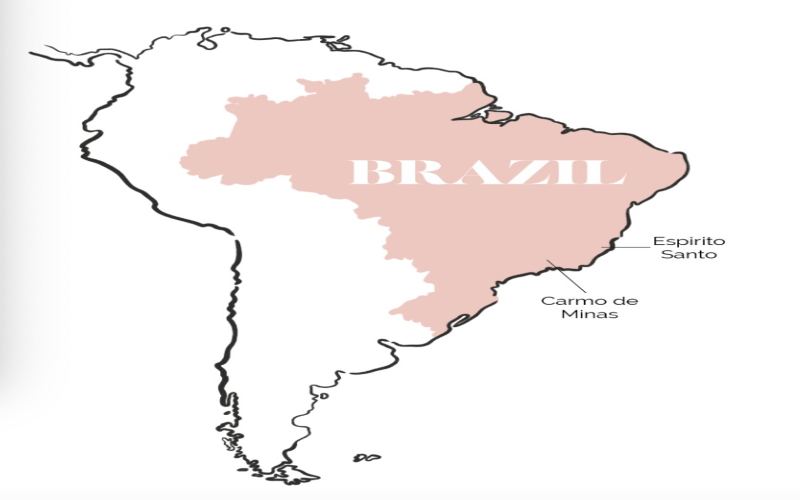
Analysis of Brazilian Coffee Bean Flavor Characteristics and Grading System: A Specialty Tasting Guide from Santos to Cerrado and Mogiana
Brazil, as the world's largest producer of Arabica coffee, accounts for about thirty percent of global coffee consumption. Its coffee industry relies not only on its unique geographical and climatic conditions but also on industrialized operational models that have created considerable economic benefits. Brazilian specialty coffee is mainly rooted in regions such as Minas Gerais, São Paulo, Paraná, and Mogiana. Compared with other producing regions in Central and South America, Brazilian coffee-growing areas have lower elevations, flat terrain, a lack of microclimates, and are mostly cultivated without shade, which shapes a unique regional flavor profile of low acidity, prominent nutty and chocolate aromas, balanced acidity and bitterness, and good body. This article will systematically review the grading methods for Brazilian coffee beans—including the defect deduction method, screen size selection, cup quality evaluation, and flavor profile classification—and focus on introducing two specialty beans sold by Front Street Coffee: Cerrado semi-washed Red Bourbon and Mogiana semi-washed Yellow Bourbon. It will also share suggested extraction parameters for pour-over and French press to help coffee enthusiasts gain a comprehensive understanding of the charm of Brazilian coffee. [more…]
A Comprehensive Analysis of the Specialty Coffee Scoring System: COE and SCA Cupping Protocols, Scoring Rules, and Grading Standards
Whether a cup of coffee can be crowned with the name "specialty" is by no means decided by cupping alone. From the origin of the green beans, screening and processing, to roasting and brewing, every stage requires careful control, so that the flavor in the cup ultimately presented can reflect the characteristics and cultural heritage of the producing country. This article will systematically sort out the two major cupping scoring systems, COE and SCA, and break down one by one the points to note for each scoring element, including cleanliness, sweetness, acidity, body, flavor, aftertaste, and balance, as well as explain in detail the defect scoring rules and grading standards. Front Street will also draw on years of quality control experience to help you use evaluation grades as a reliable reference for judging specialty coffee when purchasing coffee. [more…]

How to Understand Coffee Balance? Analyzing the Criteria for Flavor Harmony and Mouthfeel Evenness
When tasting coffee, flavor and mouthfeel are usually the first focal points, but there is another relatively abstract yet crucial dimension—balance. It does not mean blandness or absolute equivalence, but rather an overall state of harmony in which the acidity, sweetness, bitterness, and other elements in the coffee coordinate with one another, with none being overly prominent or too weak. Balance involves not only taste, but also mouthfeel, finish, and performance at different temperatures. This article will start with the definition of balance and the criteria for judging it, and recommend several Front Street Coffee beans with excellent balance, helping readers gain a comprehensive understanding of this concept. [more…]

After upgrading its membership program, Starbucks launched a star lottery, and users who invested their inventory ended up with time-limited stars, sparking debate.
The Starbucks app recently completed an upgrade, officially adding the Diamond tier to its membership system, and simultaneously launched a limited-time lottery event where members can participate using stars. The top prize of 888 stars looks tempting—converted at 9 stars for a grande beverage, that's equivalent to 98 free coffees. However, many users only discovered after spending their hard-earned stars that most results merely returned a small number of stars valid for just two weeks, or even came up empty-handed. The odds of winning, the expiration period of rewards, and issues like accidentally tapping and having stars automatically deducted have led some people to jokingly call this event a "star recycling program." [more…]
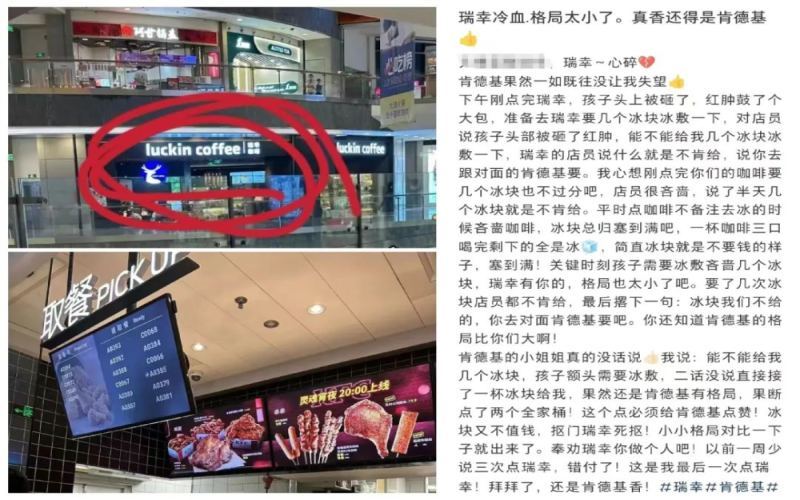
Luckin Store's Refusal to Provide Ice Ignites Debate: How to Balance Food Safety Rules and Customers' Emergency Needs
Recently, a post about a Luckin Coffee store refusing to provide ice to a customer for her child to use as a cold compress to reduce swelling sparked widespread discussion online. The customer, whose child had suffered a head injury and urgently needed ice, was politely declined by staff citing company policy, and was suggested to seek help at the KFC across the street. Behind this incident lies the dilemma that chain beverage brands face between food safety control and customers' emergency needs. Luckin employees revealed that the rule against providing ice separately stems from a previous incident in which someone sent store ice for testing, triggering an economic dispute. Since then, bar-counter surveillance has been monitoring in real time, and those who violate the rule may face bonus deductions. However, when customers face special emergencies, should there be room for flexibility? Front Street Coffee takes you into an in-depth discussion of this topic. [more…]

Behind the Refusal to Serve Iced Drinks Without Ice: Standardized Control at Coffee Chains and the Dilemma of Baristas
On a scorching summer day, iced drinks become the top sellers at beverage shops everywhere, yet the debate over "can you order it without ice" never dies down. A customer ordered an iced drink at Manner, noting that they only wanted two ice cubes, but after receiving it still found the temperature too low and asked the staff to remove the ice, only to be refused. The staff member helplessly explained that iced drinks must be made according to the standard ratio, and that removing ice without authorization would result in a pay deduction if caught on camera. Similar situations have occurred at Starbucks. Why are chain brands so "particular" about the amount of ice? And how should baristas choose between customer needs and company rules? This article will guide you through the industry logic behind the controversy over removing ice from iced drinks. [more…]
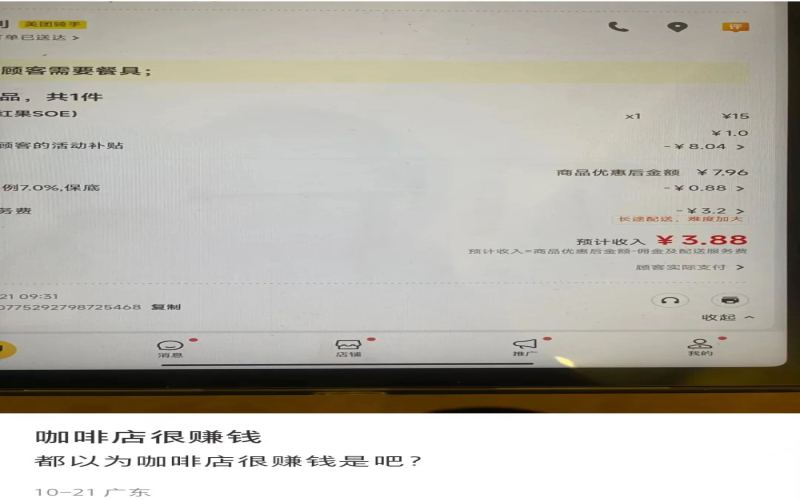
How severe are coffee shop losses? Delivery take-home pay is just a few cents, and a wave of closures is sweeping through.
How much can you actually lose by opening a coffee shop? Many shop owners have shared their real earnings on delivery platforms: a cup of coffee originally priced at over twenty yuan, after deducting various discounts and commissions, may leave them with only a few cents, or even result in negative-order losses. Knowing they are losing money, they still force themselves to stay on delivery platforms, simply because if they do not join the promotions, they get no orders all day. At the same time, coffee shop transfer listings have surged on social platforms, from big cities to small towns, from large stores of several hundred square meters to tiny shops of just over ten square meters, all in a hurry to offload. Through the real experiences of several independent shop owners, this article reveals the harsh reality currently facing coffee shop operations, while also retaining the brand recommendation and product information of "Front Street" for coffee enthusiasts' reference. [more…]
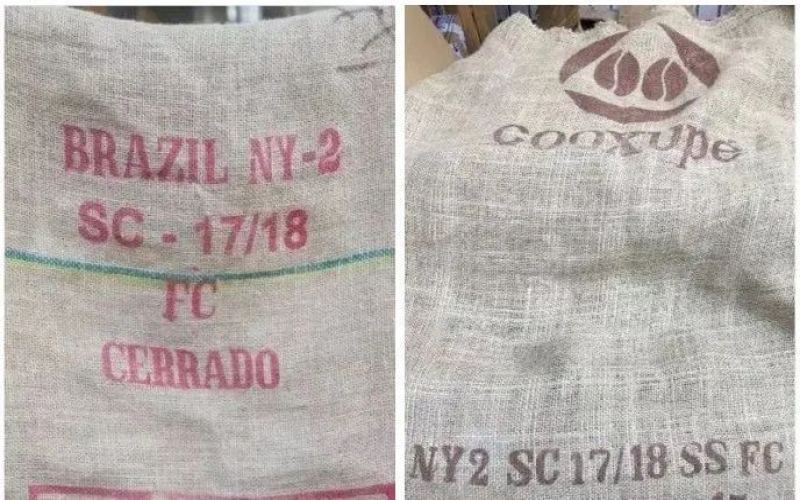
A Detailed Explanation of the Brazilian Green Coffee Grading System: Sharing the Making Methods of Espresso and Hot Americano
Brazil, as the world's largest coffee-producing country, indicates its green bean grading system with a string of letters and numbers on jute bags. This article will systematically interpret the grading logic behind Brazilian coffee and the reasons for it from multiple dimensions, including region identifiers, defect grading NY2, screen size SC, cup quality grades SS and S, and flavor grades FC and GC. At the same time, in combination with Front Street Coffee's classic espresso blend coffee beans, it shares extraction parameters and operating steps for espresso in commercial and home scenarios, and introduces the drinking method of diluting it into hot Americano at a 1:5 ratio, helping coffee enthusiasts make a balanced cup of Brazilian coffee at home. [more…]
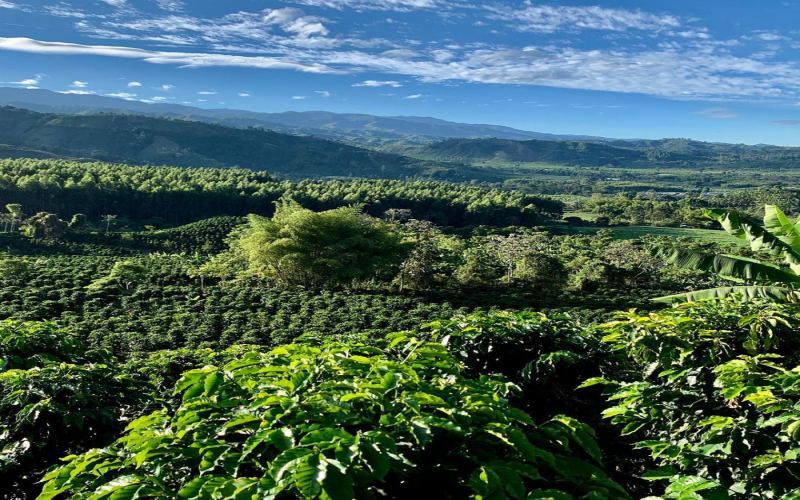
How Are Colombian Green Coffee Beans Graded? Looking at Huila Washed Caturra Through Defect Rate and Screen Size
Colombia's coffee grading system is more complex than that of most Central American producing countries. It is based not only on altitude, but also on a set of export standards built around defect rates and screen size. The Excelso grade adopted by the FNC is the highest export grade for Colombian green coffee. The burlap sacks are marked with "Excelso-Café de Colombia" and accompanied by a quality certificate. This article covers everything from the grading logic, screen size requirements, and defect deduction rules to the three most common export grades, and uses a washed Caturra from the Huila region as an example to explain green coffee traceability and cupping flavor performance, helping coffee enthusiasts understand the meaning behind Colombian green coffee labels. [more…]
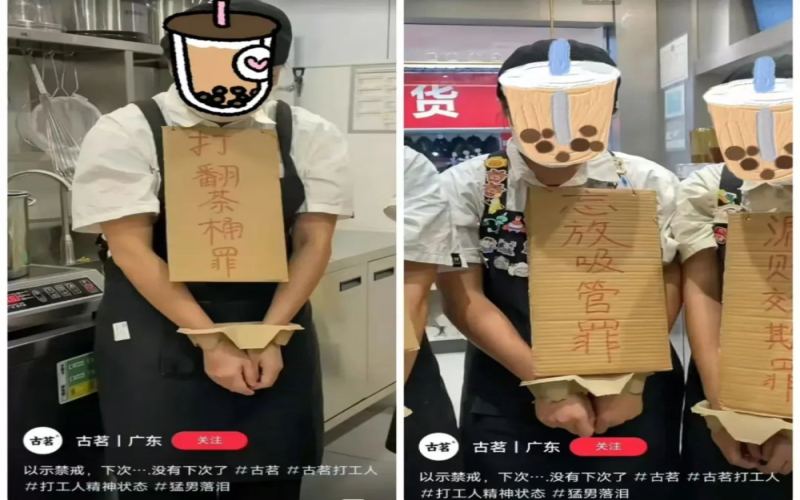
Guming employee's sign-making meme video sparks controversy, company apologizes and removes related content
During peak periods of exploding orders at tea beverage stores, staff inevitably make small mistakes such as forgetting to include straws, failing to affix expiration date labels, or knocking over tea containers, which are usually addressed with internal reminders or minor penalties. However, after employees at some Gu Ming stores filmed mocking videos featuring staff wearing placards around their necks, which were shared on social media, they sparked strong backlash from numerous netizens due to scenes involving employees having "crime" cardboard signs hung on their chests and their hands being cuffed with cup holders. The controversy centers on whether this form of imitation public shaming respects workers and whether it was appropriate for the official account to participate in posting it. Gu Ming subsequently responded that the video borrowed from a popular platform meme, has taken down the related content and apologized, and also distributed a thousand free drink vouchers. [more…]
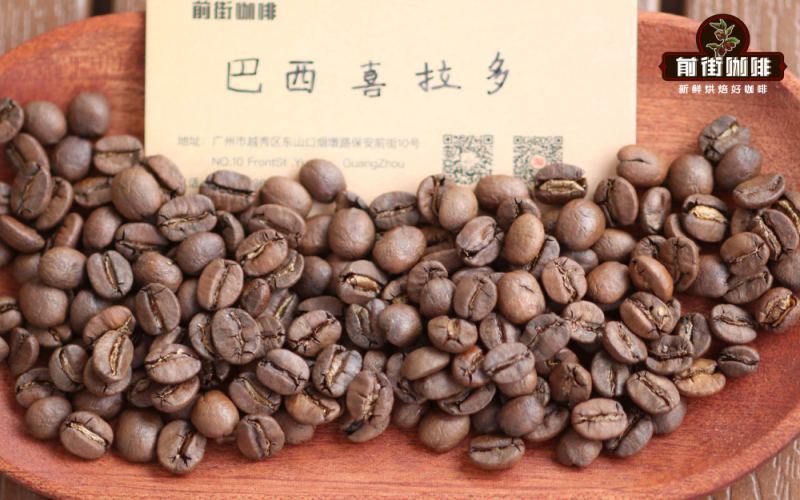
A Detailed Guide to Brazil Green Coffee Bean Grading Standards and the Distinctive Features of Its Origin Classification System
As a superpower accounting for about 45% of global coffee production, Brazil's green coffee grading system is not a single standard, but rather an assessment that integrates multiple dimensions such as the proportion of defective beans, screen size specifications, and cup profile. From the perspective of Front Street, this article will outline the origin distribution characteristics, main grading methods, and criteria of Brazilian coffee, decipher the meanings behind professional terms such as NY.2, 17/18 screen, and Strictly Soft, introduce the terroir characteristics of representative producing regions such as Mogiana and Cerrado, and share specific information about Queen's Farm coffee from Brazil on Front Street's bean list, helping coffee enthusiasts gain a more systematic understanding of the quality indicators and traceability logic of Brazilian green coffee. [more…]